Industrial boilers operate under demanding conditions involving high temperatures, thermal cycling, and continuous exposure to combustion gases. Protecting internal surfaces from heat and operational wear is essential for maintaining equipment reliability and minimizing maintenance costs. Boiler castable refractory is an important heat-resistant material used to construct and repair refractory linings in industrial boilers, furnaces, and other high-temperature systems.
Its ability to form a continuous lining makes it suitable for complex shapes and areas where traditional refractory bricks may be difficult to install. By selecting the correct castable formulation and following proper installation procedures, industries can improve thermal protection and support long-term boiler performance.
What Is Boiler Castable Refractory?
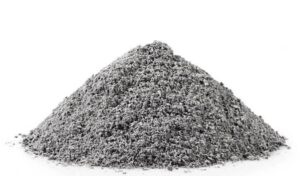
Boiler castable refractory is a heat-resistant mixture generally containing refractory aggregates, fine powders, and a suitable bonding system. Depending on the product, it may require water or another specified mixing procedure before installation.
Once mixed and placed correctly, the material develops a solid refractory lining after setting, drying, and appropriate heating. It is designed to withstand the temperature and operating conditions specified for the particular application.
Different formulations offer varying levels of thermal resistance, abrasion resistance, strength, and insulation. Therefore, the appropriate product depends on boiler design, fuel type, operating temperature, and exposure to combustion gases or ash.
Types of Boiler Castable Refractory
1. Conventional Dense Castable
Dense castables are designed to provide a strong, durable lining in applications requiring resistance to high temperatures and mechanical wear. They are commonly considered for combustion chambers, furnace floors, and other designated boiler areas.
Their performance depends on the aggregate composition, binder system, installation quality, and operating conditions.
2. Low-Cement Castable Refractory
Low-cement castables contain a reduced proportion of cement compared with conventional cement-bonded formulations. When properly designed and installed, they can provide favorable strength and thermal performance.
These materials are used in demanding industrial applications where specific mechanical and thermal properties are required.
3. Insulating Castable Refractory
Insulating castables are generally lightweight materials designed to reduce heat transfer through boiler walls and other suitable surfaces. They can help improve thermal efficiency and protect surrounding structures from excessive heat.
Their mechanical strength and abrasion resistance may differ from those of dense castables, so they should be selected according to the intended location.
4. Abrasion-Resistant Castable
Certain boiler zones experience significant wear from moving ash, fuel particles, and high-velocity gases. Abrasion-resistant castables are formulated to withstand these conditions more effectively than standard products.
They may be suitable for selected fluidized bed boilers, cyclones, and other areas where particle erosion is a concern.
Major Applications of Boiler Castable Refractory
Boiler castable refractory is used across various industrial sectors because it can be installed in complex shapes and adapted to specific operating requirements.
- Power generation plants: Protecting designated combustion chambers and high-temperature boiler sections.
- Fluidized bed boilers: Providing suitable linings in areas exposed to circulating particles and abrasive conditions.
- Industrial manufacturing: Supporting heat-resistant linings in boilers used for process heating and steam production.
- Chemical processing facilities: Protecting compatible equipment exposed to demanding thermal conditions.
- Boiler repair projects: Replacing damaged refractory sections and restoring suitable protective linings.
The exact grade should always be selected according to the equipment design and manufacturer’s recommendations.
Key Benefits of Boiler Castable Refractory
Excellent Heat Resistance
Castable refractory products are designed for specific temperature ranges, helping protect boiler surfaces from direct heat exposure and thermal damage.
Flexible Installation
Unlike prefabricated bricks, castables can be placed into molds or installed around complex shapes. This makes them useful for irregular surfaces and certain repair applications.
Improved Equipment Protection
A properly selected refractory lining helps shield underlying metal structures from high temperatures, combustion gases, and mechanical wear.
Reduced Maintenance Costs
Suitable materials and correct installation can help extend lining service life and reduce the frequency of repairs. Actual performance depends on operating conditions and maintenance practices.
Installation Process and Best Practices
Successful installation requires careful preparation and attention to manufacturer instructions.
Step 1: Prepare the surface. Remove loose refractory, dust, and contaminants. Inspect the supporting structure and install approved anchors where required.
Step 2: Mix the material correctly. Follow the specified mixing time, water quantity, and equipment requirements. Excess water can negatively affect the finished lining.
Step 3: Place and compact the castable. Use the recommended casting, vibration, or application method to achieve a consistent lining without significant voids.
Step 4: Allow proper curing and drying. Follow the manufacturer’s curing requirements and controlled drying schedule. Rapid heating can cause steam pressure buildup, cracking, or explosive spalling.
Step 5: Heat the boiler gradually. Apply the specified startup procedure to help the refractory develop its intended properties safely.
Installation should be carried out by qualified personnel familiar with refractory systems and industrial boiler safety procedures.
How to Choose the Right Castable Refractory
Before purchasing, evaluate maximum operating temperature, abrasion exposure, thermal cycling, chemical conditions, required strength, and insulation requirements. Review the product’s technical data sheet and confirm compatibility with existing refractory materials.
A reliable supplier should provide technical specifications, installation guidance, and recommendations for curing and dry-out. Comparing products according to their intended service conditions is more effective than choosing solely on price.
Conclusion
Boiler castable refractory is a valuable solution for protecting industrial boilers against high temperatures, abrasion, and demanding operating conditions. Dense, low-cement, insulating, and abrasion-resistant formulations serve different purposes within boiler systems.
By selecting the appropriate grade, ensuring professional installation, and following recommended curing and heating procedures, industries can improve refractory performance, reduce maintenance interruptions, and support reliable boiler operation over the long term.