avoid fake tractor parts
Many equipment owners are concerned about counterfeit components and often ask, How do I avoid fake tractor parts? The agricultural industry has seen a rise in imitation components that look genuine but fail quickly, damage machines, or compromise safety. Learning how to identify and avoid fake Tractor parts is essential for protecting your investment, ensuring reliable performance, and reducing long-term repair costs. With the right precautions, buyers can confidently choose genuine and high-quality components for their tractors.
One of the most effective ways to avoid fake Tractor parts is to purchase from authorized dealers or trusted suppliers. Manufacturers certify specific distributors who follow strict quality standards and stock original components. Buying from such sources ensures that every item meets the specifications required for safe and efficient tractor operation. When asking How do I avoid fake tractor parts, starting with reputable suppliers is the best strategy. These sellers maintain clear records, provide documentation, and offer warranties that counterfeiters cannot match.
Verifying part numbers is another essential step. Every genuine component comes with a unique part number that matches the tractor manufacturer’s official catalog. Fake Tractor parts often have incorrect, missing, or poorly printed numbers. Before purchasing, cross-check the number with manuals, online databases, or manufacturer websites. If the part number does not match exactly, or if the seller hesitates to provide it, this is a warning sign. Learning to rely on accurate part numbers helps prevent costly mistakes and ensures compatibility with your tractor.
Examining the packaging can also help identify counterfeit components. Genuine Tractor parts come in high-quality packaging that includes consistent branding, proper labels, barcodes, and security seals. Counterfeit packaging often looks cheap, uses incorrect colors, or contains spelling errors. Asking How do I avoid fake tractor parts includes paying close attention to packaging details that many customers overlook. Even small differences in logo placement, font style, or material quality may indicate the product is not authentic.
Quality of material is another major factor. Genuine Tractor parts are made from durable, heavy-duty materials designed to withstand the demands of farming operations. Fake parts may feel lighter, appear poorly finished, or display rough edges. They might look similar at first glance, but the difference becomes clear once examined closely. If possible, compare the new component with the original part being replaced. Any major difference in weight, texture, or build quality should raise suspicion.
Price is another useful indicator. While everyone wants to save money, prices that seem too good to be true usually signal counterfeit goods. Sellers offering “genuine Tractor parts” at unusually low prices may be dealing in imitations. When learning How do I avoid fake tractor parts, it is important to recognize that legitimate components have consistent market prices. Comparing prices across multiple trusted sellers helps establish a realistic range and prevents falling victim to counterfeit discounts.
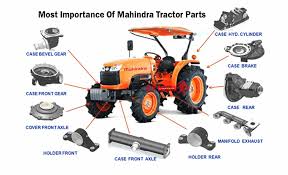
How do I avoid fake tractor parts?
Warranties play a crucial role in identifying authentic parts. Most genuine Tractor parts come with manufacturer-backed warranties that cover defects or performance issues. Fake components rarely offer any warranty or may provide incomplete or vague terms. Always check warranty documentation carefully before purchasing. A trustworthy seller will be transparent about the coverage and provide clear, written proof. Having a warranty not only protects your investment but also confirms the legitimacy of the part.
Another important strategy is to research the seller. When purchasing from online platforms or unfamiliar shops, look at customer reviews, ratings, business history, and return policies. Reliable sellers have positive feedback and transparent information. If reviews mention frequent failures, mismatched part numbers, or poor packaging, these are signs of counterfeit Tractor parts. Asking others in farming communities for recommendations can also help identify trustworthy sources.
Checking for certification marks is also helpful. Many manufacturers include holograms, laser markings, or digital verification codes on genuine components. These features make it harder for counterfeiters to replicate. Some companies even offer QR codes that allow buyers to verify authenticity online instantly. When wondering How do I avoid fake tractor parts, using these verification tools adds an extra layer of protection and helps confirm that the parts are genuine.
Mechanics and technicians can also help identify fake Tractor parts. Experienced professionals can spot inconsistencies that buyers may overlook. If you are unsure about a part’s authenticity, consult a mechanic before installing it. Using fake components can cause costly damage to your tractor’s engine, hydraulics, or electrical systems, making professional advice extremely valuable.
Finally, documenting every purchase is important. Keeping records of receipts, part numbers, supplier details, and warranty information helps track sources and prevents confusion in the future. It also makes it easier to trace counterfeit sellers if problems occur later.
In conclusion, understanding How do I avoid fake tractor parts requires being cautious, informed, and selective about where and how you purchase components. By relying on authorized dealers, verifying part numbers, checking packaging, watching for suspicious prices, and using professional advice, you can effectively avoid counterfeit products. These steps protect your tractor’s performance and ensure that every part you use is durable, reliable, and safe for long-term operation.