prepare for a TMS session
Transcranial Magnetic Stimulation (TMS) is a non-invasive and highly effective treatment used to support individuals struggling with depression, anxiety, OCD, PTSD, and other mental health conditions. For many people starting treatment, it is natural to wonder what to expect and how to get ready. One of the most common questions is: “How do I prepare for a TMS session?” Proper preparation can help patients feel more comfortable and confident throughout the treatment process.
Preparing for a TMS session does not require extensive steps, but a few simple practices can help ensure the best experience. First, it is important to get a good night’s sleep before treatment. Rest supports brain function and may help patients feel more relaxed and responsive during the session. Because TMS targets brain pathways involved in mood regulation, coming in well-rested can enhance comfort and overall effectiveness.
Another key part of preparation is eating a balanced meal or healthy snack before the session. Sitting through treatment on an empty stomach can make some individuals feel lightheaded or tired, especially during the first few appointments. Staying hydrated is equally important. Drinking water helps maintain energy and comfort, and it also supports mental clarity, which can be helpful when communicating with the provider about progress or symptoms.
Patients should also consider wearing comfortable clothing. tms near me sessions typically last between 20 and 40 minutes, depending on the protocol, so relaxed attire allows patients to sit comfortably. Because the TMS coil is placed near the forehead or scalp, avoiding hairstyles with bulky accessories, such as large clips or metal pins, can help the treatment run smoothly. Metal near the coil can interfere with the machine, so patients are asked to remove items like earrings if necessary.
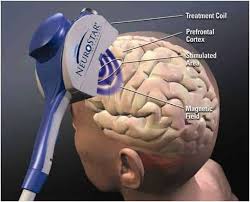
How do I prepare for a TMS session?
Before starting treatment, patients will undergo a mapping session to determine individual brain targets and stimulation levels. After this, each session follows the same routine. During the appointment, patients are awake and seated in a chair while magnetic pulses are delivered to the brain. There is no anesthesia, and patients can return to daily activities immediately after. Since TMS is non-invasive, no recovery period is required.
Communicating openly with the provider is another important part of preparing for sessions. Patients should feel comfortable discussing symptoms, mood changes, side effects, sleep patterns, or emotional challenges. This communication helps clinicians customize treatment and make adjustments that support comfort and results. If a patient experiences mild side effects such as scalp sensitivity or headaches, talking with the provider allows them to modify intensity or coil positioning.
Many individuals researching “tms near me” will discover that most clinics offer guidance about what to expect and how to prepare before starting treatment. Providers may offer personalized recommendations based on medical history or lifestyle, helping patients feel supported throughout the process.
Ultimately, preparing for a TMS session is simple but meaningful. Resting well, eating beforehand, staying hydrated, wearing comfortable clothing, and maintaining open communication can enhance the overall experience and support the brain’s response to therapy. By taking these steps, patients can feel confident, comfortable, and ready to make the most of their treatment journey. TMS offers a powerful opportunity for positive change, and thoughtful preparation can help maximize the benefits.