most common applications of a porta cabin
Porta cabins have become increasingly popular as flexible and efficient solutions for a wide range of applications. A porta cabin is a prefabricated structure that can be easily transported, assembled, and relocated, making it an ideal choice for temporary or semi-permanent setups. Its versatility, cost-effectiveness, and ease of installation have made it a preferred option across various industries, including construction, education, healthcare, and commercial sectors.
One of the most common applications of a porta cabin is in the construction industry. Construction sites often require temporary offices, storage units, and accommodation for workers. A porta cabin provides a practical solution to meet these needs. These cabins can be quickly deployed on-site, offering a comfortable and secure workspace for project managers, engineers, and administrative staff. Additionally, porta cabins serve as on-site storage for tools, equipment, and materials, protecting them from weather conditions and theft. The mobility of porta cabins also allows them to be relocated as projects progress, ensuring that they remain functional throughout different stages of construction.
Education is another sector where porta cabins are widely used. Many schools and educational institutions face space constraints due to increasing student populations. In such cases, a porta cabin can function as a temporary classroom, laboratory, or administrative office. This ensures that educational activities continue without disruption while permanent infrastructure is being developed. Porta cabins for schools are often equipped with essential amenities such as seating, lighting, ventilation, and sometimes even air conditioning to provide a comfortable learning environment. Their quick installation helps schools manage space shortages efficiently while maintaining the quality of education.
Healthcare facilities also utilize porta cabins for various purposes. Hospitals and clinics often require additional space for emergency response units, testing centers, or vaccination booths. A porta cabin can be set up rapidly to meet urgent healthcare demands. These cabins are designed to be hygienic, easily cleaned, and adaptable to accommodate medical equipment and staff. In rural or remote areas where constructing a permanent healthcare facility may not be feasible, porta cabins serve as a practical solution to provide accessible medical services. The portability of these cabins ensures that healthcare support can be deployed wherever it is needed most.
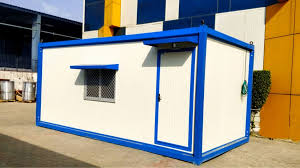
What are the most common applications of a porta cabin?
In the commercial sector, porta cabins are commonly used as retail shops, kiosks, and customer service centers. Businesses benefit from the low setup cost and flexibility offered by porta cabins. They can function as temporary sales outlets during events, exhibitions, or festivals. Additionally, porta cabins can serve as ticket counters, guardhouses, or information centers in commercial complexes and recreational areas. Their adaptability allows business owners to design interiors according to their requirements, creating functional and visually appealing spaces for customers and staff alike.
Industrial applications of porta cabins are also significant. Factories, warehouses, and manufacturing units often use porta cabins for on-site offices, break rooms, or control rooms. Workers and supervisors can access administrative functions without leaving the production area, which enhances operational efficiency. Moreover, these cabins can be customized with insulation, air conditioning, and security features to ensure comfort and safety in industrial environments. Porta cabins also serve as quality control labs or storage spaces for sensitive materials, demonstrating their versatility in industrial applications.
Another notable application of a porta cabin is in disaster relief and emergency response. During natural calamities or humanitarian crises, there is an urgent need for temporary shelters, command centers, and relief distribution points. Porta cabins can be transported and installed quickly, providing safe and functional spaces for relief operations. Their robust construction ensures durability even under challenging conditions, while the modular design allows multiple cabins to be connected to create larger facilities. This makes porta cabins an essential tool in managing emergencies efficiently and effectively.
Recreational and hospitality sectors have also embraced the use of porta cabins. These cabins are often deployed as ticket booths, changing rooms, restrooms, or small lodging units in parks, resorts, and sports complexes. The portability and modular nature of porta cabins make them ideal for seasonal or temporary setups where permanent structures are not required. They provide convenience for visitors while minimizing the investment required for construction.
Porta cabins are further utilized in government and institutional projects. They can serve as polling booths, temporary offices, and security checkpoints. Government agencies often require flexible infrastructure for projects that span multiple locations or involve temporary operations, making porta cabins a practical solution. The ability to customize interiors and exteriors according to specific requirements adds to their effectiveness in such applications.
In conclusion, the applications of a porta cabin are extensive and diverse. From construction sites and educational institutions to healthcare facilities, commercial outlets, industrial units, disaster relief operations, recreational spaces, and government projects, porta cabins provide practical, efficient, and cost-effective solutions. Their portability, modular design, and adaptability ensure that they can meet the dynamic needs of various sectors, making them one of the most versatile and widely used prefabricated structures in modern infrastructure planning.